
NEWS BLOG
FIVE MALBEC FACTS YOU NEED TO KNOW FOR BETTER DRINKING by Joaquin Hidalgo
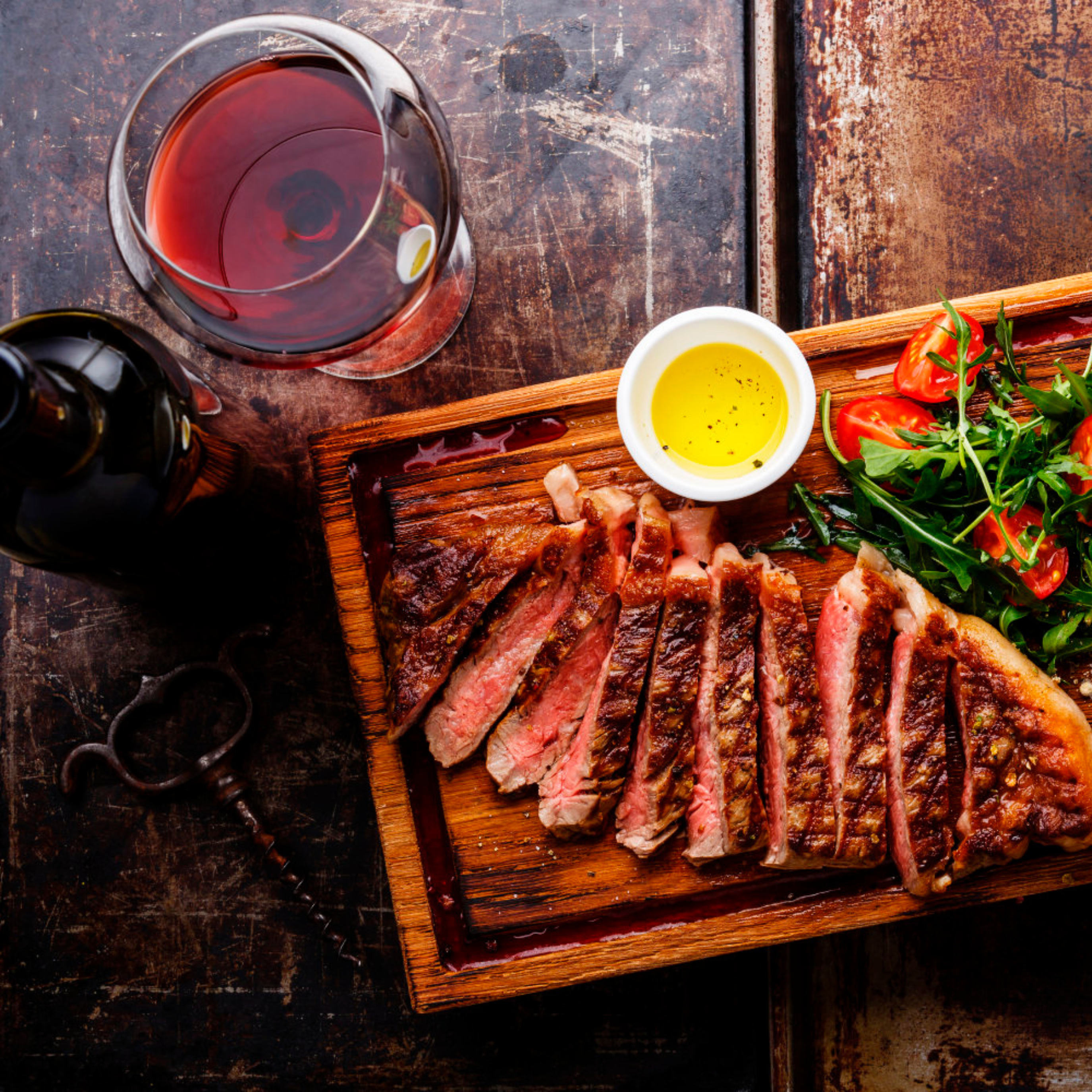
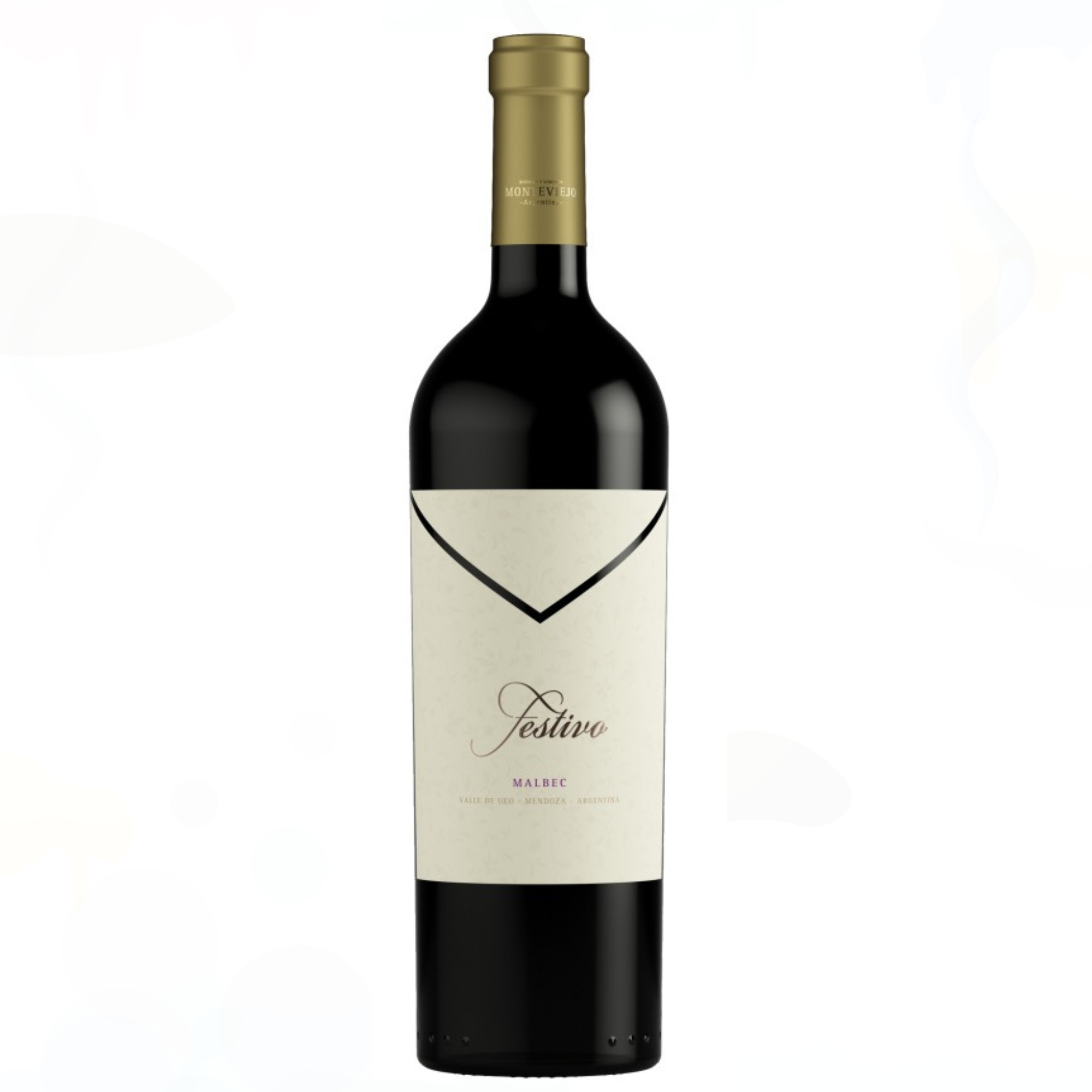
In between lies a wide spectrum, with Mendoza's Luján de Cuyo considered the quintessential Malbec style - ripe fruit, sweet spice and plush texture. As styles evolve, fresh, aromatic Malbecs can complement lighter dishes like pastas and tuna, while richer expressions pair perfectly with grilled meats.
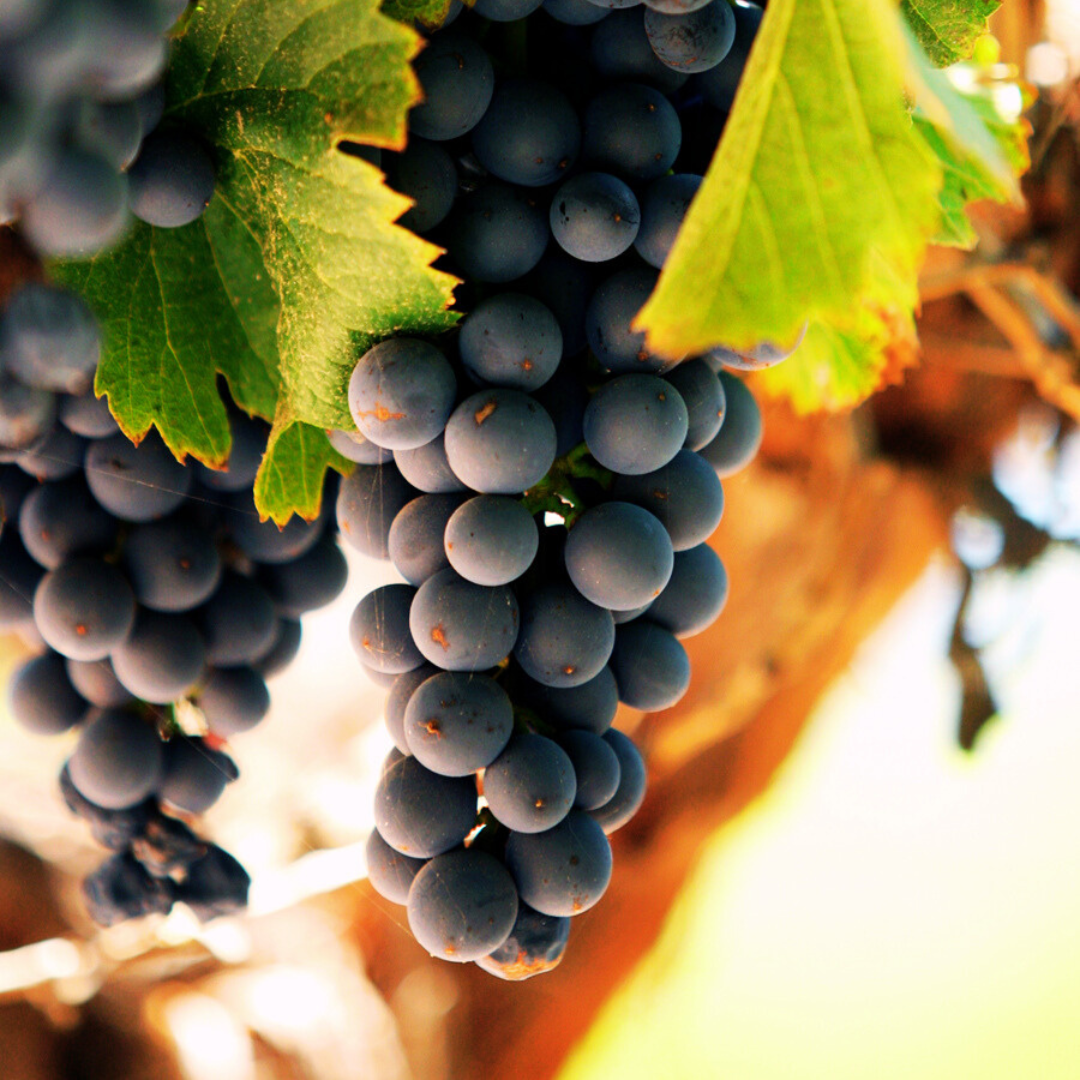
Malbec also shines in age-worthy Reservas or as the base for fruit-driven sparkling reds and whites. Whether showcasing terroir transparency or taking on new forms, this chameleon grape continues to reveal surprising layers of complexity.
SALTA, MEET THE MALBEC WITH ALTITUDE
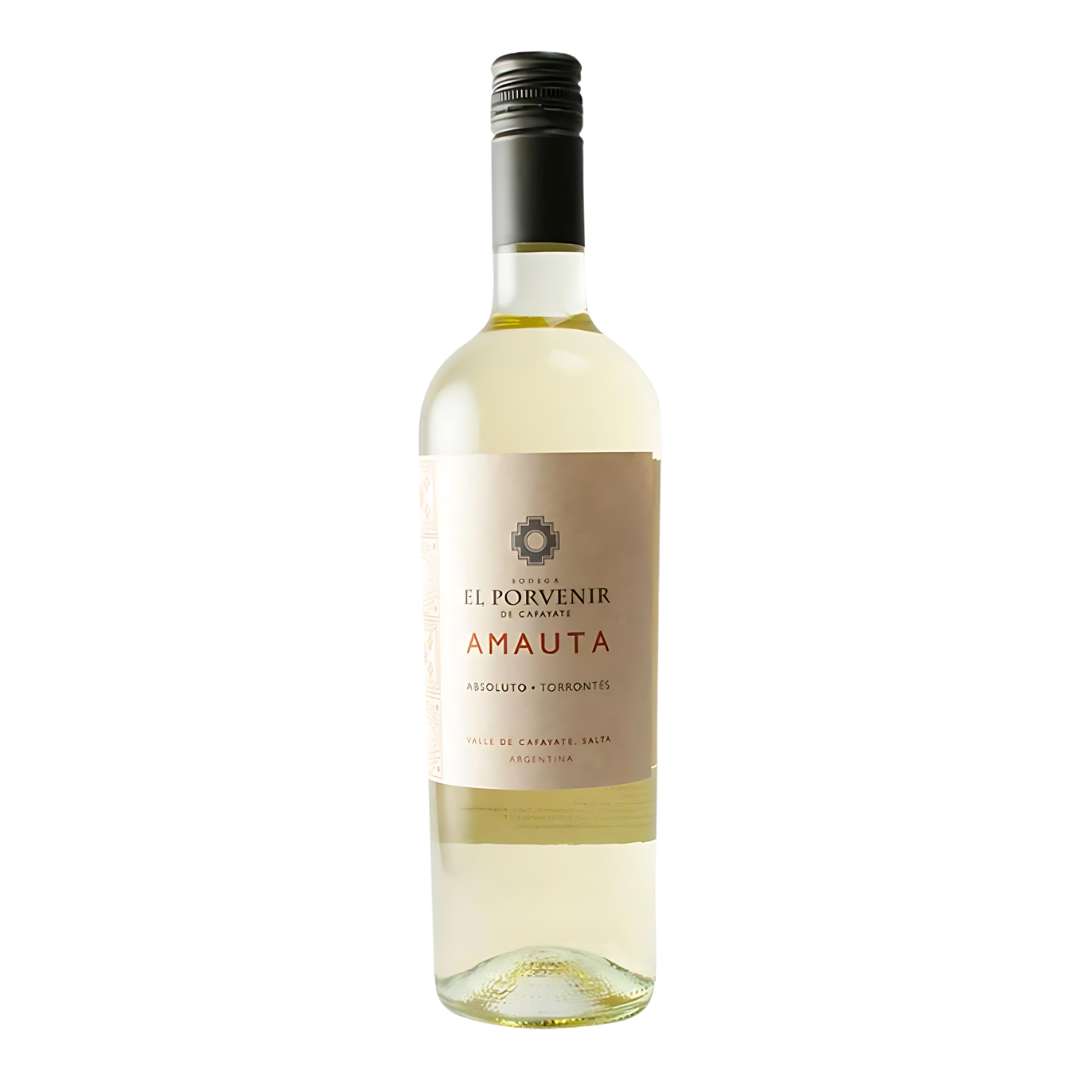
The northwestern Argentine province of Salta is a hidden gem for world-class wines. While renowned for its signature Torrontés whites, Salta also excels with full-bodied, spicy Malbecs from some of the highest vineyards on Earth.Salta's prime viticultural zones span 1,600 to over 3,000 metres above sea level, providing perfect growing conditions with an arid, desert-like climate and low rainfall. Iconic subregions like Cafayate have viticulture roots dating back to the 18th century Jesuit missionaries.
At these high elevations, Salta's Malbecs take on an intense, deeply colored profile brimming with ripe red fruits, violets and dark chocolate notes. Two standout examples are the voluptuous Altimus blend from Bodega El Esteco and the plush, mineral-tinged Domingo Molina Malbec.While lesser-known, Salta's high-altitude Malbecs offer a unique sense of terroir distinct from their counterparts in Mendoza and Patagonia. For Malbec enthusiasts, these concentrated yet fresh reds from the roof of Argentina are worth seeking out.
INTERVIEW WITH SEBASTIÁN ZUCCARDI
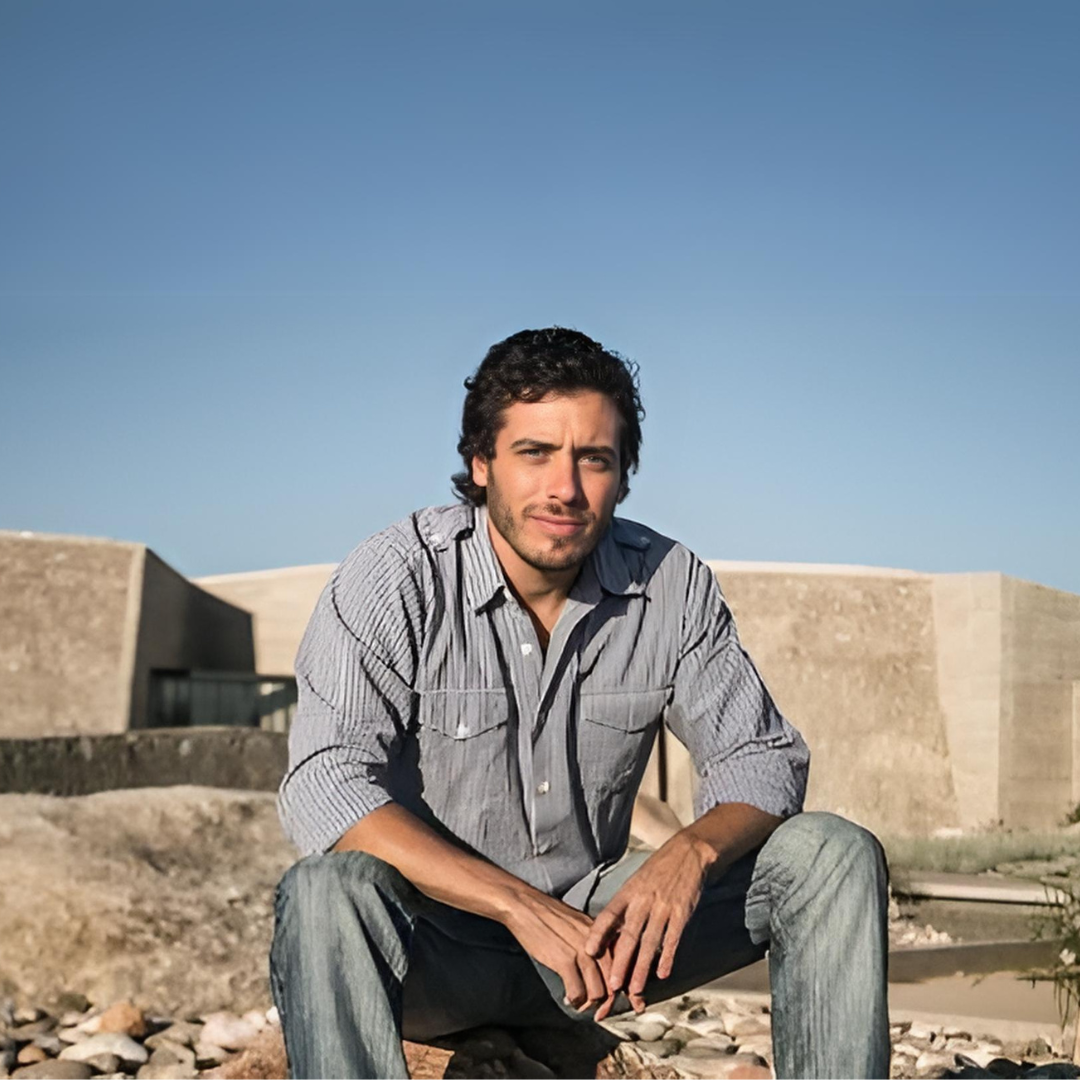
Those words from winemaker Sebastián Zuccardi capture the essence of why Argentine Malbec has become a global phenomenon. As part of the new generation at Familia Zuccardi in Mendoza, Sebastián is crafting wines that are the purest expressions of their high altitude mountain terroirs.
"We actually make 'mountain wines'," he explains. "The Andes defines everything about our region - the climate, water and soils." Mendoza's continental climate, intense sunlight, limited water from Andean snowmelt, and ancient alluvial soils that originated in the mountains set the stage.
Malbec has become Argentina's signature red due to its ability to transparently convey these one-of-a-kind conditions. Each distinct valley and paraje imparts unique characteristics to the wines. "Malbec is very transparent in order to express the place," says Sebastián. "We can have an amazing diversity."
He avoids over-ripening, extraction or oak influences that can mask terroir. Instead, his José Zuccardi Malbec from Paraje Altamira and Gualtallary aims to tell the story of place through simple, traditional winemaking with concrete fermenters and neutral oak.
While neighbouring areas, the stonier Altamira terroir yields structured reds with red fruits and firm tannins, while Gualtallary's deeper soils produce a more voluptuous, black-fruited style. "For me, a wine has to talk about the place, the vintage, and the winemaker's philosophies," summarises Sebastián.
With an incredible diversity of world-class Malbec terroirs to explore, this mountain wine is set to keep climbing in popularity around the globe.